Request an Appointment
(703) 719-2040


The retina is one of the most vital and delicate structures in the eye, playing a central role in vision. Located at the back of the eye, the retina converts light into signals that are sent to the brain, allowing us to see shapes, colors, and movement. When the retina becomes damaged or diseased, vision can be permanently affected. Ophthalmologists specialize in diagnosing and managing retinal conditions, using advanced technology and medical expertise to preserve vision and prevent irreversible vision loss.
Many retinal conditions develop silently, without pain or early warning signs. Diseases such as diabetic retinopathy, retinal vein occlusion, and macular degeneration may progress gradually, causing damage before patients notice symptoms. Ophthalmologists emphasize the importance of routine comprehensive eye exams, particularly for individuals with risk factors such as diabetes, high blood pressure, or a family history of retinal disease. Early detection allows for timely treatment that can slow progression and protect remaining vision.
Diabetic retinopathy is one of the most common retinal conditions treated by ophthalmologists. Elevated blood sugar levels damage the small blood vessels in the retina, leading to leakage, swelling, and abnormal vessel growth. In its early stages, diabetic retinopathy may cause no noticeable symptoms, making regular eye exams essential for individuals with diabetes. Ophthalmologists monitor retinal changes closely and provide treatments that reduce inflammation, prevent bleeding, and preserve vision.
Age-related macular degeneration affects the macula, the central portion of the retina responsible for detailed vision. This condition can make it difficult to read, recognize faces, or perform tasks requiring fine visual detail. Ophthalmologists diagnose macular degeneration through retinal imaging and functional testing, allowing for early intervention and ongoing monitoring. While macular degeneration cannot be cured, modern treatments can slow its progression and help patients maintain functional vision.
Retinal detachment represents a true ophthalmic emergency. When the retina separates from the underlying tissue, blood supply is compromised, and vision loss can occur rapidly. Symptoms such as flashes of light, sudden floaters, or a curtain-like shadow across the visual field require immediate evaluation. Ophthalmologists are trained to recognize and treat retinal detachment promptly, often using surgical techniques to reattach the retina and restore vision.
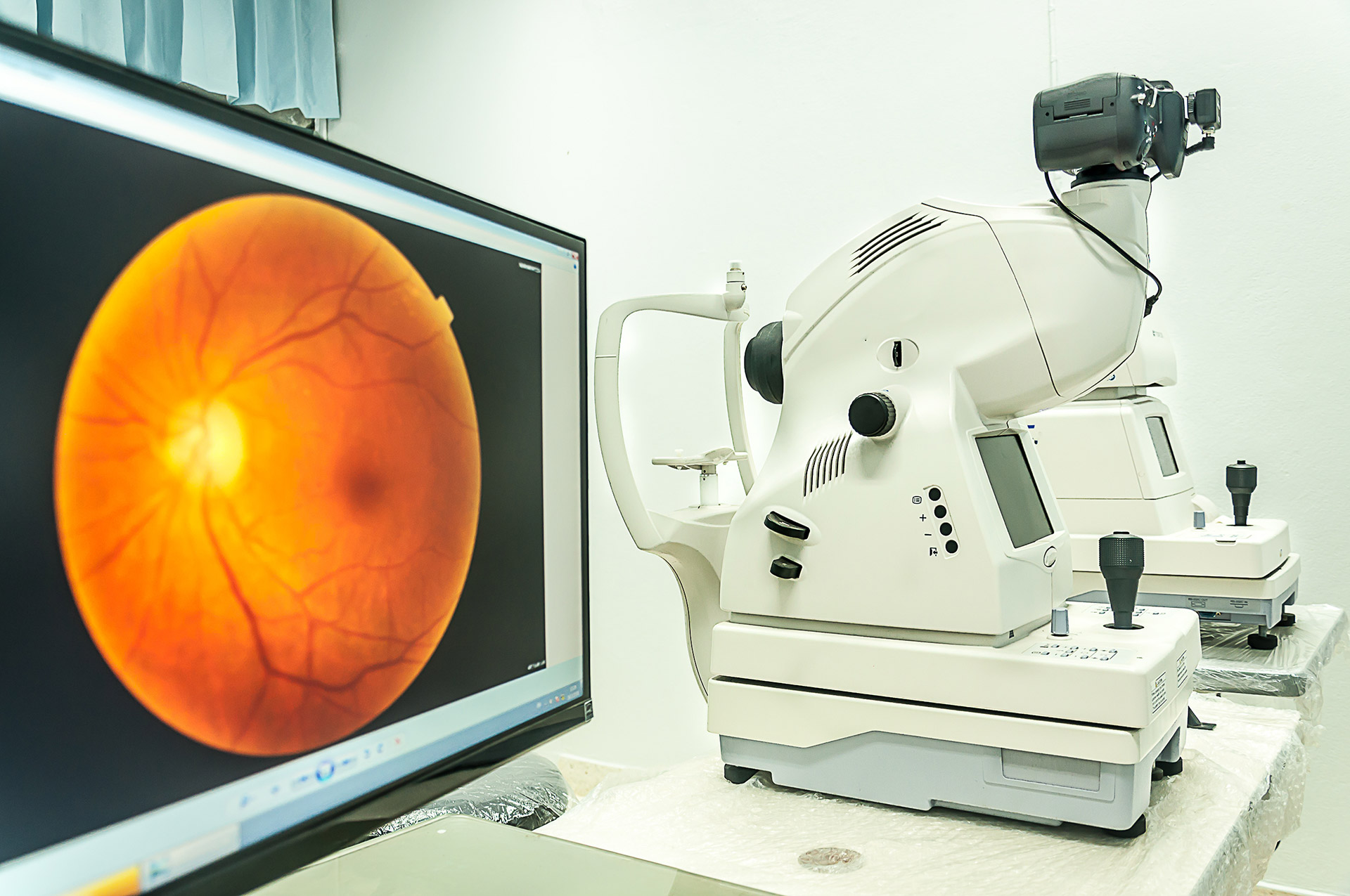
Advances in retinal imaging have transformed ophthalmic care. Technologies such as optical coherence tomography allow ophthalmologists to visualize retinal layers in extraordinary detail, detecting subtle changes that were previously invisible. These tools enable precise diagnosis, targeted treatment, and ongoing monitoring of disease progression. By identifying problems early, ophthalmologists improve outcomes and reduce the risk of permanent damage.
Treatment of retinal disease often requires a combination of medical management, in-office procedures, and surgical intervention. Ophthalmologists tailor treatment plans based on the specific condition, severity, and patient needs. Regular follow-up appointments are critical, as many retinal conditions require ongoing care to maintain stability and preserve vision.
The impact of retinal disease extends beyond eyesight alone. Vision loss affects independence, safety, and emotional well-being. Ophthalmologists understand the profound effect vision changes have on daily life and work closely with patients to manage expectations and provide support. Preserving even partial vision can significantly improve quality of life.
Retinal health is closely linked to overall health. Conditions such as diabetes, hypertension, and autoimmune disease directly affect retinal blood vessels and tissues. Ophthalmologists collaborate with primary care physicians and specialists to ensure comprehensive care. This integrated approach helps manage systemic conditions while protecting vision.
Protecting retinal health requires vigilance, education, and regular ophthalmologic care. Patients who attend routine exams and follow treatment recommendations have a significantly better chance of preserving vision long term. Ophthalmologists play a crucial role in guiding patients through diagnosis, treatment, and ongoing management of retinal conditions.
Vision is a precious sense that depends on the health of the retina. Through advanced diagnostics, medical expertise, and compassionate care, ophthalmologists protect retinal health and help patients maintain sight throughout their lives. Early detection and proactive treatment remain the most powerful tools in preventing vision loss and preserving independence.